Here’s the dirty secret of the fridge filter aisle: nothing fits anything else. Samsung filters don’t fit LGs, LG filters don’t fit GEs, and a GE filter from 2019 might not even fit a GE from 2023. Each brand runs its own filter family with its own part numbers, its own housing, and its own price ladder — and the box art all looks the same shade of water-drop blue. Guess wrong and the filter either won’t click in, won’t seal, or dribbles water down the back of your fridge at 2 a.m.
So don’t guess. This is the map: every major filter family by fridge brand, how to confirm the exact one yours takes, and where the real money hides in 2026.
Open your fridge. On a wall of the fresh-food compartment (usually up top) there’s a sticker with your refrigerator’s model number. Type it into our Find Your Filter tool and it hands you the filters that fit — done. The rest of this guide is for when you want to understand what you’re buying, which, given that you’ll re-buy this thing twice a year forever, is worth five minutes.
If you own a Samsung french-door or side-by-side, odds are it takes the DA29-00020B (sometimes wearing its alias, HAF-CIN) — one of the best-selling filters in America. Older Samsungs may want the DA29-00003G instead. The catch: Samsung’s housings changed across generations, so a filter that twists happily into an RF23 won’t necessarily fit a decade-old RS-series. Two fridges, same logo, different rules.
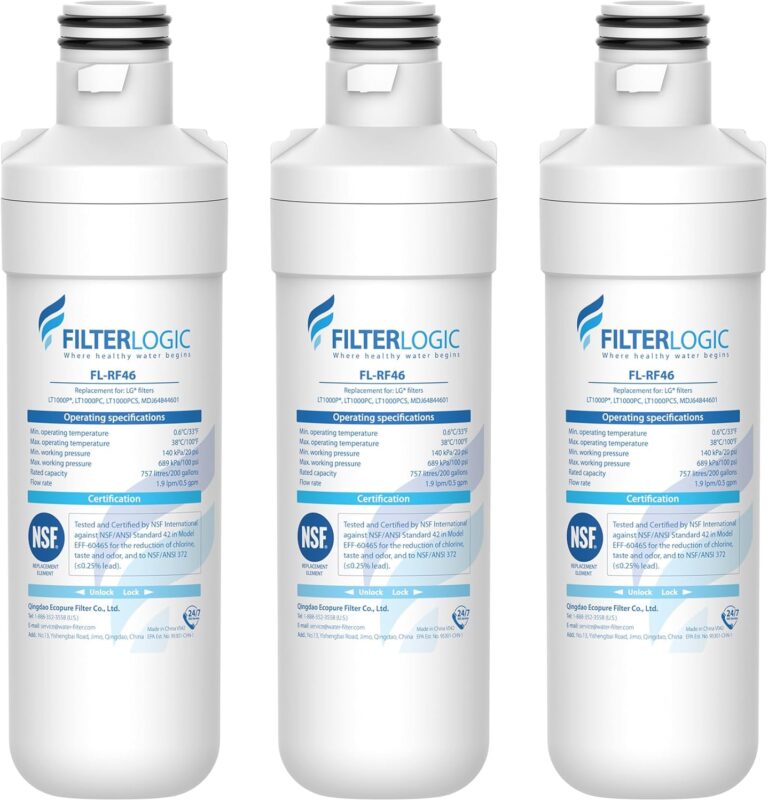
LG keeps it to two main lines — the LT700P for many 2010–2017 fridges and the LT1000P for most newer ones — then complicates it by selling the same filters under ADQ factory numbers. The LT700P and the ADQ36006101 are the identical filter in different outfits, which has launched a thousand “will this fit?” forum threads. Ignore the packaging debate: pull your old filter out and read the number printed on its body. That number is the truth.
Four brands, one filter line: everydrop, numbered simply 1 through 6. The number sits right on the front of the box and on your old filter — the workhorse is Filter 1 (EDR1RXD1), heir to the old W10295370. This is the easiest family in the business to shop for: match the number, and it doesn’t matter which of the four logos is on your fridge door.
GE has burned through three generations — the long-running MWF, then the XWF, now the XWFE — and the current one comes with a plot twist: the XWFE carries a chip that talks to newer GE fridges. Some of those fridges will sulk and limit dispenser features if they don’t detect it. An XWF slides into the same housing but fails the handshake, so on a recent GE, that final letter is not a suggestion. Dispenser-in-door models often take the RPWFE instead, chip and all.
Current Frigidaire Gallery and Professional models mostly run the ULTRAWF (PureSource Ultra); older units take the WF3CB (PureSource 3). Electrolux frequently shares Frigidaire’s housings, because they’re corporate cousins. Same advice as LG: the part number printed on the old filter beats any guess based on the fridge’s age.
Flip any filter box over and you’ll find NSF/ANSI certifications. They’re not decoration — they’re the entire spec sheet in three numbers:
Chlorine taste and odor. The baseline; nearly everything has it. This is the “makes water taste like water” certification.
The health one: lead, cysts, and friends. If contaminants are the reason you filter, 53 on the box is non-negotiable — and plenty of cheap filters quietly don’t have it.
Trace pharmaceuticals and other “emerging contaminants.” A nice flex on premium filters, rarely the deciding factor.
Here’s the liberating part: an OEM filter and a well-made compatible with the same certifications are doing the same job on paper. The OEM premium buys the brand’s own testing and a guaranteed fit — not better water.
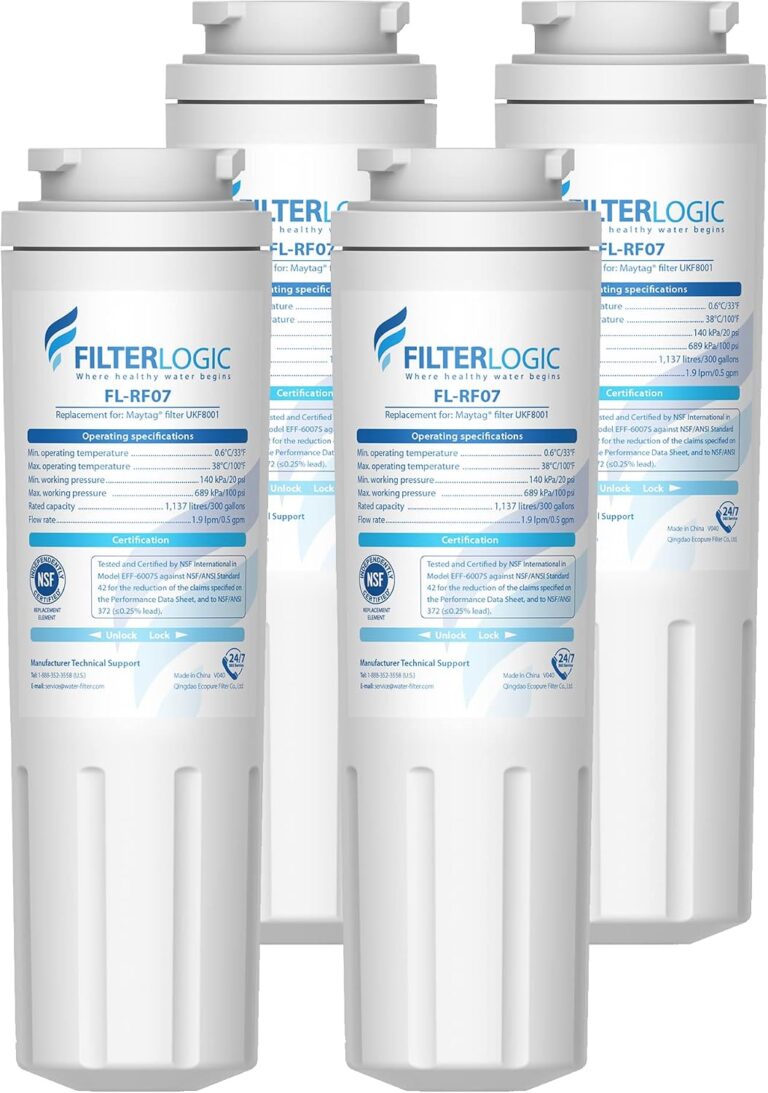
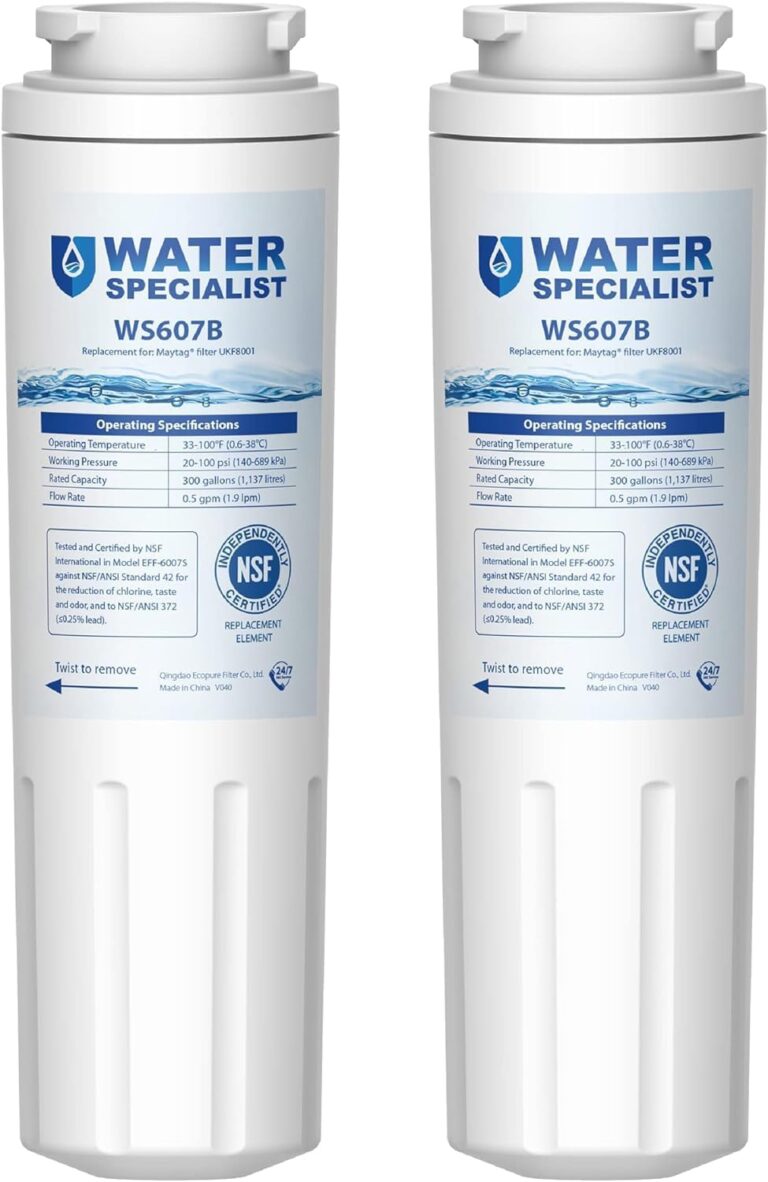
This is the biggest lever in the category. OEM filters routinely cost two to three times what certified compatibles from Waterdrop, AquaCrest, or Pureline charge — and since the fridge demands a new one every six months, that gap compounds year after year, quietly becoming real money. Compatibles earn their keep when they carry genuine NSF certifications; the honest trade-offs, including the cases where OEM genuinely wins (hello again, chip-checking XWFE), are in our OEM vs. aftermarket guide.
Find your family, decide OEM or certified compatible, then — and this is the step almost everyone skips — compare prices across stores before you click buy. The exact same filter can swing by $10 or more between retailers on any given week. That last step is literally why this site exists.
Know your fridge’s model number? You’re one search away.






Leave Comment